The Video Game Industry
History
1962 Game Space War - developed internally, less commercial more academic to prove it was possible. Kept around the designated computer and people played it. Figured out later that it could be played over the network in the facility in real time to play with others.
Using the internet people started playing role playing games like dnd online called MUDS
First games by engineers and scientists. Computers at this stage normally huge and expensive. Not commercial at all. Often games would be stored on hundreds of punch cards.
As time goes on and things begin to change it became more commercial.
Taito in 1979 made Space Invaders. Black and white initially. Shoot rows of monsters as they advance. Genre is a shoot-em-up. Ridiculously popular in Japan with huge success, apparently it was so popular in 1970's that Japan needed to mint more 100Y coins because they were using them all on the game.
Huge halls were bought to put the game in creating an Arcade.
1980's Atari creates arcade games and upright wooden cabs are popular, dedicated arcades. Centipede was huge, track ball, not pad but still shootemup.
America making frogger, centipede, quebert.
Video game consoles did exist but were very expensive compared to arcade games.
In the UK we were interested in micro-computers. Huge explosion in people both playing and coding video games. Smaller enthusiast gamers (very active audiences). Started getting mad games for varied and wild concepts e.g.
1980's video game industry crashed in America. One of the reasons for this is games were cheaply made, quickly made and tbh shit. e.g. ET by Atari, borderline unplayable, so bad they dumped all their cartridges in a landfill in the nevada desert.
However Japan was leaping forward. e.g. dragon quest (RPG huge success) paved the way for Final fantasy and Pokemon.
Japan started to have a different view to the rest of the world. Tend to be more graphic and narrative focus (as well as sex). America tends to be based on choice and puzzles.
(Early on).
1986 Super Mario Brothers - huge success. Started invading america whose industry was collapsing
Nintendo were about cheap weak hardware for interesting amazing games.
Shugero Miamoto = bae
Street Fighter II (1991) was insanely popular allowed people to play against friends with a range of characters.
Arcade games vastly superior to home consoles.
1994 SONY Playstation!!! Changed everything. Started using and popularising CD videogames. SAPS advertising campaign was making it seem cool and commonly acceptable. Sony's marketing campaign was great. Nightclubs in the UK were advertising the console!
1997 released Final Fantasy and Fallout. Before FF Westerners didnt like RPG's and this was the stage when two distinct genres of RPG were seen. FF was set, little choice, lots of text but amazing in depth story. Fallout was chocie based, coul dbe bad or good, could destroy your game world if you wanted. These deemed Triple-A games. Games with vast production teams. 1990's had resources for games increased to ridiculous scale. Before many games were 1-3 people but now people had huge studios.
Indies vs Majors like Undertale made by one man or Gears of War made by huge studio.
LA Noir - huge team (team bondi). Team apparently mistreated with working huge amounts of hours.
Tomb Raider - controversy of representation in Lara Croft, unrealistic breasts and proportions.
Digital distribution huge now. Steam, PS Store, Bnet. Walking into a store not common. Games often are now free with microtransactions due to this.
Console cycles in generations e.g. PS4, Xbox 1, waiting for fifth gen
IT HAS CHANGED SO MUCH BRO
In what way do video games represent a specialised industry? How does it differ from other media?
- Interaction with the product
- Choice of decisions - control over a character and by extension the narrative
- Cult followings (dedicated audience)
- Locked by platform (console, pc)
- Much higher RRP
- Significantly longer length
- High expenditure of resources
Assassins Creed III Liberation
- Pegi 18 rating
- Published by Ubisoft in 2012 for the Playstation Vita, with a HD re-release in 2014 for Playstation 3, Xbox 360,
- It is a Triple A game developed by Ubisoft Montreal.
Horizontal and Vertical integration - distributed and produced
Video game industry similar to film industry - Concept artists, Script and narration, coders, scenario designer, directors, producers, cinematographer, lighting director,VFX, actors
Target audience - pre-existing fans, main black female character female target audience,
Money
Triple A games make lots of money back through Microtransactions and Tiered release systems.
Tiered release - Base edition, Deluxe edition, Gold editions (e.g. £55, £65, £80)
Microtransactions criticised because it can become 'Pay to win' where people pay for a competitive advantage.
Free games with microtransactions are 'Freemium' business models.
According to David Hesmodhalgh, it is essential for industries to minimise risk and maximise profit. Why does a videogame like Assassins Creed III: Liberation need to target a mass audience? More importantly, how does it do this?
French-Canadian publisher "Ubisoft" - global audience.
French publisher - French ideologies?
"Liberate the enslaved" and "Free them all"
BY appealing to a mass audience it creates a repetitive and 'samey' franchise - repetition of generic elements. e.g. white background, faded text. e.g. iconography of costume with hood and leather straps on usually male protagonist directly facing the audience e.g.
Gameplay - stealth based action game. Trailer indicates no major changes in this. Steve Neal - generic repetition and difference. This time protagonist is black, female, pirate. Reception theory - preferred reading - excited for new game.
An anti-slavery story, based around the idea of liberating black slaves, intertextual references to Django unchained and 12 years a slave. They did it because they knew it was going to be profitable? E.g. Django had a cult audience.
Django reference: Aveline kills white slavers and deliver one liners.
Also intertextual to Pirates of the Caribbean
Trailer presents game as action film and strong film like narrative - appeals to general mass audiences.
Released for a variety of platforms both console, handheld and PC. (Vita, PS3, Xbox 360 and Steam)
Re-release: allows producer to release game using pre-existing assets
Niche audience - pre-existing assassins creed fans e.g. gameplay demo, costume etc
"All new missions" - niche audience would know about original release, have an incentive to buy the games
The protagonist whip is a unique selling point - intertextuality to Indiana Jones and Castlevania franchise
Economic
- re-release (didnt make enough first time?)
- Black female, USP, caters to female market (more women than men play videogames), caters to BLACK market. Prejudice against video games, traditionally the market is teenage boys.
- Middling critical reception
Regulation
- PEGI (Pan European Game Information) is the rating company for video games
- 3, 7, 12, 15, 18
- Publisher assesses the content and gives it their rating, PEGI tests the content, PEGI defines official rating

- Does not relate to difficulty of gameplay or demographic of game
- Advisory, not legally binding. Video game stores decide whether to sell or not to people
- The 7th guest - first game to get a BBFC rating (15) because it had a lot of video in them.
- Regulation of video games in the UK is both confusing and ineffective
- Regulation is becoming ineffective in the digital age (Sonia Livingstone and Peter Hunt)
Albert Bandura - Hypodermic needle
If you consume media products they can change your behaviour through passive audience model.
e.g watching violent films make you violent, playing videogames make you violent
e.g. DOOM 1993 made the Columbine shooters
-
When playing video games you don't interact like watching the film. You use internal logic often prompted by quest markers and text prompts.
This clearly shows they are not real people, we are not going to be influenced and do this in the real world.
Media amplification - media is screaming about something totally out of proportion, creates a scapegoat for all that is bad in the world. e.g DOOM blamed for the Columbine mass shooting
Reception theory Stuart Hall
- whether or not you agree with the ideology of the producer.
Preferred - agree with the ideology of the producer
Oppositional - disagree with the ideology of the producer
Negotiated - agree with SOME of the ideology of the producer
Aberrant - audience completely misunderstands what is going on
e.g. negotiated readings: love idea of liberation but don't agree with violence ; on one hand shines a light on history, but does it glorify slavery?; hate the scifi elements, love the historical fantasy - dislike genre hybridity;
e.g. aberrant reading: enjoy seeing a black woman being beaten up
lore - history of the video game world
Dark Souls 3 - hardcore game for hardcore audience, can be negotiated in many different ways. People have made lore videos explaining the history of different bosses and NPC's by reading item descriptions in game and piecing it together, creating the full story. This is a high level of engagement, people could play it and not find any of the history.
This links to Fandom theory (Henry Jenkins).
People all interact in different ways to games, many people who started Dark Souls 3 never finished it.
The Silver Case : The 25th Ward
Grasshopper Manufacture (2018)
Visual novels. However highly atypical of the genre as they:
- Narrative makes no sense, talks to a hitman before killing him
- Style is confusing. Goes from simplistic computer generated to hand drawn and detail
- Typewriter sound is loud and obnoxious
- Uses lots of vulgar language
- Makes reference to RPG's in comedic way and never again referenced
- NOT FUN TO PLAY
- APPEALS TO VERY NICHE AUDIENCE
Henry Jenkins - Fandom -
Fans will often use video games in the way the producer didn't initially intend, can use aspects of video games to add to their lives
Examples of fandom
e.g. Yogscast and ThatMadCat
e.g ROM games


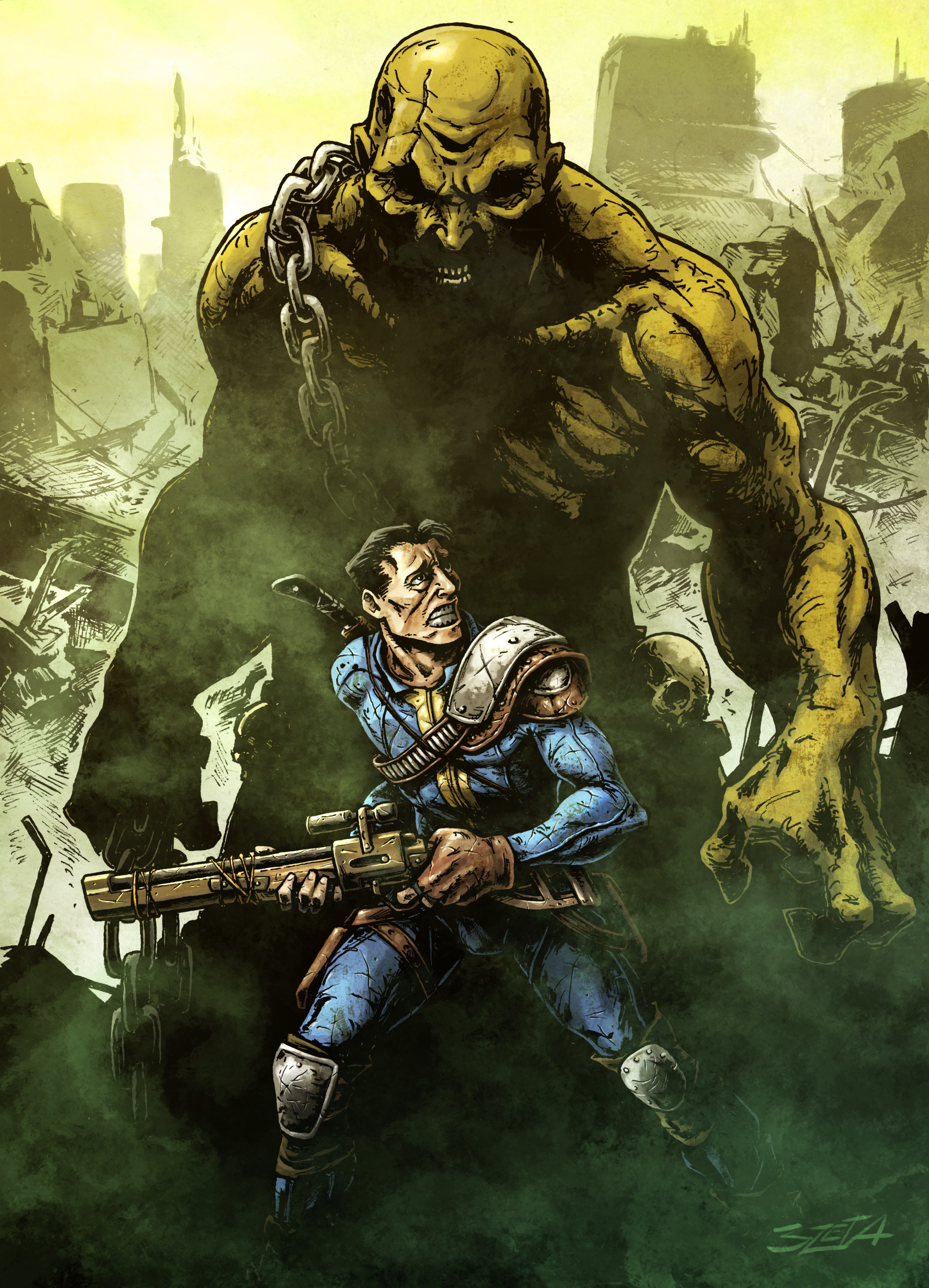

Fandom isnt just for fans. Many fan creations can be seen as advertising for specific target audiences which benefit the producers.
e.g Pony's Creed Sisterhoof - A crossover combining Assassins Creed and My Little Pony. It is a parody but also targets a very specific audience.
This was never intended by the producer.
Why would this be cringey? It is an example of cognitive dissonance where we hold two opposing ideas in our head and it upsets us.
Fandoms are often looked down upon however.
The League of Legends 'Worlds' and Counterstrike Eleague had more viewers than The semi-final of the world cup in 2018 and of the 2018 superbowl.
End of Audience - Clay Shirky
Producers rely on audiences. Audiences are no longer passive they interact in a vast variety of ways.
Hideo Kojima - Death Stranding
- Used to work for Konami and left because of lack of collective freedom. Now has his own company Kojima Productions
- Creator of famous Metal Gear Solid
- He is an auter (author)
History
1962 Game Space War - developed internally, less commercial more academic to prove it was possible. Kept around the designated computer and people played it. Figured out later that it could be played over the network in the facility in real time to play with others.
Using the internet people started playing role playing games like dnd online called MUDS
First games by engineers and scientists. Computers at this stage normally huge and expensive. Not commercial at all. Often games would be stored on hundreds of punch cards.
As time goes on and things begin to change it became more commercial.
Taito in 1979 made Space Invaders. Black and white initially. Shoot rows of monsters as they advance. Genre is a shoot-em-up. Ridiculously popular in Japan with huge success, apparently it was so popular in 1970's that Japan needed to mint more 100Y coins because they were using them all on the game.
Huge halls were bought to put the game in creating an Arcade.
1980's Atari creates arcade games and upright wooden cabs are popular, dedicated arcades. Centipede was huge, track ball, not pad but still shootemup.
America making frogger, centipede, quebert.
Video game consoles did exist but were very expensive compared to arcade games.
In the UK we were interested in micro-computers. Huge explosion in people both playing and coding video games. Smaller enthusiast gamers (very active audiences). Started getting mad games for varied and wild concepts e.g.
1980's video game industry crashed in America. One of the reasons for this is games were cheaply made, quickly made and tbh shit. e.g. ET by Atari, borderline unplayable, so bad they dumped all their cartridges in a landfill in the nevada desert.
However Japan was leaping forward. e.g. dragon quest (RPG huge success) paved the way for Final fantasy and Pokemon.
Japan started to have a different view to the rest of the world. Tend to be more graphic and narrative focus (as well as sex). America tends to be based on choice and puzzles.
(Early on).
1986 Super Mario Brothers - huge success. Started invading america whose industry was collapsing
Nintendo were about cheap weak hardware for interesting amazing games.
Shugero Miamoto = bae
Street Fighter II (1991) was insanely popular allowed people to play against friends with a range of characters.
Arcade games vastly superior to home consoles.
1994 SONY Playstation!!! Changed everything. Started using and popularising CD videogames. SAPS advertising campaign was making it seem cool and commonly acceptable. Sony's marketing campaign was great. Nightclubs in the UK were advertising the console!
1997 released Final Fantasy and Fallout. Before FF Westerners didnt like RPG's and this was the stage when two distinct genres of RPG were seen. FF was set, little choice, lots of text but amazing in depth story. Fallout was chocie based, coul dbe bad or good, could destroy your game world if you wanted. These deemed Triple-A games. Games with vast production teams. 1990's had resources for games increased to ridiculous scale. Before many games were 1-3 people but now people had huge studios.
Indies vs Majors like Undertale made by one man or Gears of War made by huge studio.
LA Noir - huge team (team bondi). Team apparently mistreated with working huge amounts of hours.
Tomb Raider - controversy of representation in Lara Croft, unrealistic breasts and proportions.
Digital distribution huge now. Steam, PS Store, Bnet. Walking into a store not common. Games often are now free with microtransactions due to this.
Console cycles in generations e.g. PS4, Xbox 1, waiting for fifth gen
IT HAS CHANGED SO MUCH BRO
In what way do video games represent a specialised industry? How does it differ from other media?
- Interaction with the product
- Choice of decisions - control over a character and by extension the narrative
- Cult followings (dedicated audience)
- Locked by platform (console, pc)
- Much higher RRP
- Significantly longer length
- High expenditure of resources
Assassins Creed III Liberation
- Pegi 18 rating
- Published by Ubisoft in 2012 for the Playstation Vita, with a HD re-release in 2014 for Playstation 3, Xbox 360,
- It is a Triple A game developed by Ubisoft Montreal.
Horizontal and Vertical integration - distributed and produced
Video game industry similar to film industry - Concept artists, Script and narration, coders, scenario designer, directors, producers, cinematographer, lighting director,VFX, actors
Target audience - pre-existing fans, main black female character female target audience,
Money
Triple A games make lots of money back through Microtransactions and Tiered release systems.
Tiered release - Base edition, Deluxe edition, Gold editions (e.g. £55, £65, £80)
Microtransactions criticised because it can become 'Pay to win' where people pay for a competitive advantage.
Free games with microtransactions are 'Freemium' business models.
According to David Hesmodhalgh, it is essential for industries to minimise risk and maximise profit. Why does a videogame like Assassins Creed III: Liberation need to target a mass audience? More importantly, how does it do this?
French-Canadian publisher "Ubisoft" - global audience.
French publisher - French ideologies?
"Liberate the enslaved" and "Free them all"
BY appealing to a mass audience it creates a repetitive and 'samey' franchise - repetition of generic elements. e.g. white background, faded text. e.g. iconography of costume with hood and leather straps on usually male protagonist directly facing the audience e.g.
Gameplay - stealth based action game. Trailer indicates no major changes in this. Steve Neal - generic repetition and difference. This time protagonist is black, female, pirate. Reception theory - preferred reading - excited for new game.
An anti-slavery story, based around the idea of liberating black slaves, intertextual references to Django unchained and 12 years a slave. They did it because they knew it was going to be profitable? E.g. Django had a cult audience.
Django reference: Aveline kills white slavers and deliver one liners.
Also intertextual to Pirates of the Caribbean
Trailer presents game as action film and strong film like narrative - appeals to general mass audiences.
Released for a variety of platforms both console, handheld and PC. (Vita, PS3, Xbox 360 and Steam)
Re-release: allows producer to release game using pre-existing assets
Niche audience - pre-existing assassins creed fans e.g. gameplay demo, costume etc
"All new missions" - niche audience would know about original release, have an incentive to buy the games
The protagonist whip is a unique selling point - intertextuality to Indiana Jones and Castlevania franchise
Economic
- re-release (didnt make enough first time?)
- Black female, USP, caters to female market (more women than men play videogames), caters to BLACK market. Prejudice against video games, traditionally the market is teenage boys.
- Middling critical reception
Regulation
- PEGI (Pan European Game Information) is the rating company for video games
- 3, 7, 12, 15, 18
- Publisher assesses the content and gives it their rating, PEGI tests the content, PEGI defines official rating

- Does not relate to difficulty of gameplay or demographic of game
- Advisory, not legally binding. Video game stores decide whether to sell or not to people
- The 7th guest - first game to get a BBFC rating (15) because it had a lot of video in them.
- Regulation of video games in the UK is both confusing and ineffective
- Regulation is becoming ineffective in the digital age (Sonia Livingstone and Peter Hunt)
Albert Bandura - Hypodermic needle
If you consume media products they can change your behaviour through passive audience model.
e.g watching violent films make you violent, playing videogames make you violent
e.g. DOOM 1993 made the Columbine shooters
-
When playing video games you don't interact like watching the film. You use internal logic often prompted by quest markers and text prompts.
This clearly shows they are not real people, we are not going to be influenced and do this in the real world.
Media amplification - media is screaming about something totally out of proportion, creates a scapegoat for all that is bad in the world. e.g DOOM blamed for the Columbine mass shooting
Reception theory Stuart Hall
- whether or not you agree with the ideology of the producer.
Preferred - agree with the ideology of the producer
Oppositional - disagree with the ideology of the producer
Negotiated - agree with SOME of the ideology of the producer
Aberrant - audience completely misunderstands what is going on
e.g. negotiated readings: love idea of liberation but don't agree with violence ; on one hand shines a light on history, but does it glorify slavery?; hate the scifi elements, love the historical fantasy - dislike genre hybridity;
e.g. aberrant reading: enjoy seeing a black woman being beaten up
lore - history of the video game world
Dark Souls 3 - hardcore game for hardcore audience, can be negotiated in many different ways. People have made lore videos explaining the history of different bosses and NPC's by reading item descriptions in game and piecing it together, creating the full story. This is a high level of engagement, people could play it and not find any of the history.
This links to Fandom theory (Henry Jenkins).
People all interact in different ways to games, many people who started Dark Souls 3 never finished it.
The Silver Case : The 25th Ward
Grasshopper Manufacture (2018)
Visual novels. However highly atypical of the genre as they:
- Narrative makes no sense, talks to a hitman before killing him
- Style is confusing. Goes from simplistic computer generated to hand drawn and detail
- Typewriter sound is loud and obnoxious
- Uses lots of vulgar language
- Makes reference to RPG's in comedic way and never again referenced
- NOT FUN TO PLAY
- APPEALS TO VERY NICHE AUDIENCE
Henry Jenkins - Fandom -
Fans will often use video games in the way the producer didn't initially intend, can use aspects of video games to add to their lives
Examples of fandom
e.g. Yogscast and ThatMadCat
e.g ROM games


Fandom isnt just for fans. Many fan creations can be seen as advertising for specific target audiences which benefit the producers.
e.g Pony's Creed Sisterhoof - A crossover combining Assassins Creed and My Little Pony. It is a parody but also targets a very specific audience.
This was never intended by the producer.
Why would this be cringey? It is an example of cognitive dissonance where we hold two opposing ideas in our head and it upsets us.
Fandoms are often looked down upon however.
The League of Legends 'Worlds' and Counterstrike Eleague had more viewers than The semi-final of the world cup in 2018 and of the 2018 superbowl.
End of Audience - Clay Shirky
Producers rely on audiences. Audiences are no longer passive they interact in a vast variety of ways.
Hideo Kojima - Death Stranding
- Used to work for Konami and left because of lack of collective freedom. Now has his own company Kojima Productions
- Creator of famous Metal Gear Solid
- He is an auter (author)
Comments
Post a Comment